Easy Travel Strategies for University Commuters
Easy Travel Strategies for University Commuters
Blog Article
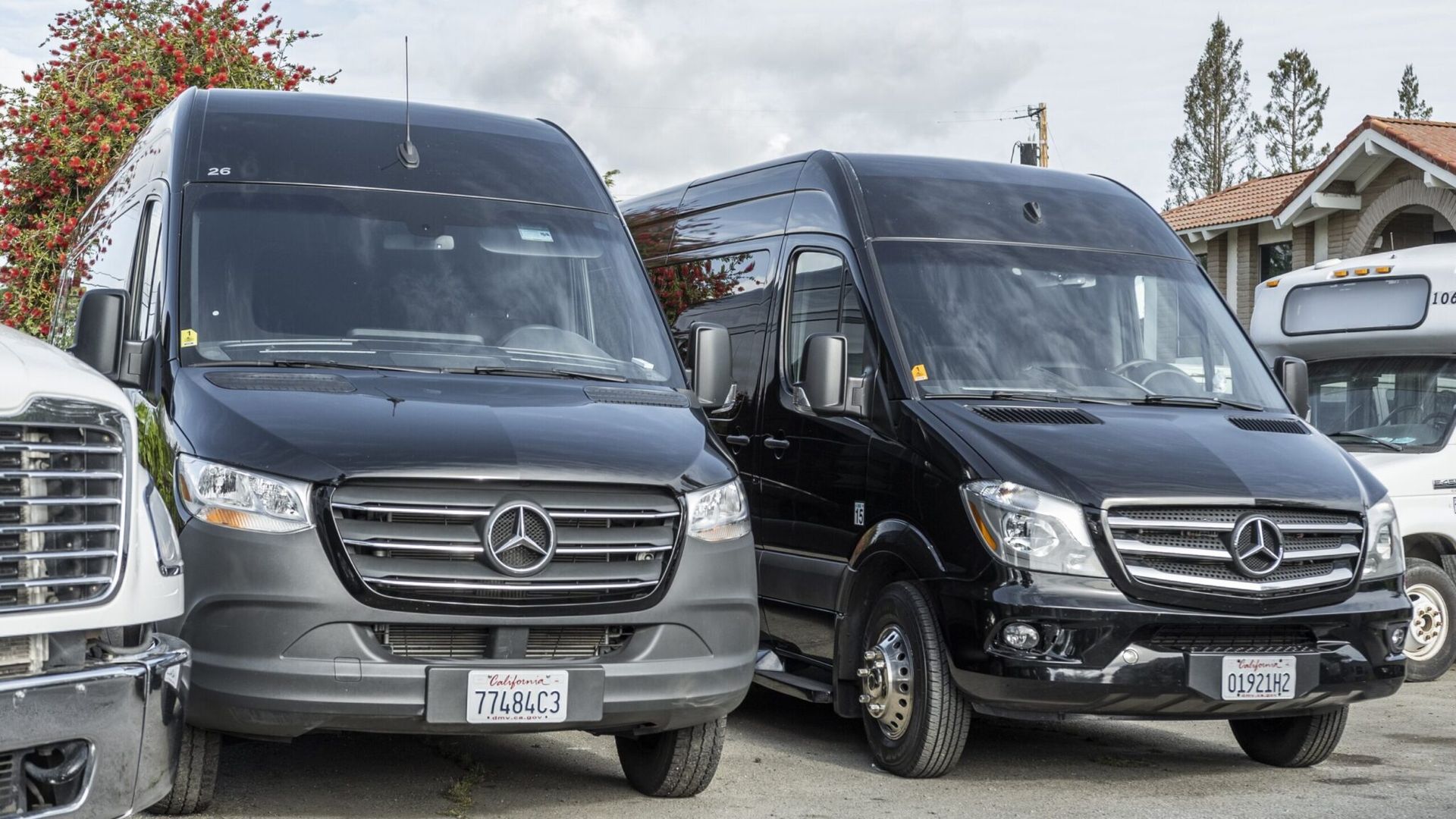
University life moves quickly, and getting from home to campus should not add unnecessary stress to an already demanding schedule. Early academic commitments, lengthy study sessions, team assignments, campus activities, and social plans can all turn commuting into a significant part of the daily schedule. An efficient journey provides students with additional time to prepare for classes, unwind, review academic materials, or arrive prepared for upcoming activities. Through advance planning and dependable transportation arrangements, students can make daily university travel more predictable and comfortable. At Code 3 Transportation, we understand how important it is for students to have a transportation routine that supports their busy academic lives.
Whether a student travels to campus regularly or needs transportation for a special university event, preparation can make each journey easier. Building good travel habits starts with knowing the schedule, preparing belongings in advance, and allowing enough time for unexpected delays. Convenient and comfortable transportation becomes even more useful when students need to bring books, computers, academic materials, or everyday essentials. Instead of treating every trip as another source of pressure, students can approach commuting as an opportunity to create a calmer routine. Effective travel habits can help keep university transportation consistent throughout the semester and into final examination periods.
Prepare a University Transportation Schedule in Advance
One straightforward method for simplifying university travel is to coordinate transportation with the academic calendar. Students can improve travel planning by reviewing class schedules, campus activities, appointments, and other obligations in advance. Building extra time into the journey can help students avoid unnecessary rushing caused by traffic, delays, or schedule adjustments. It is also useful to keep important travel information accessible so there is less confusion when plans change. A well-planned schedule creates a reliable routine that allows students to focus more attention on their academic responsibilities.
Advance preparation becomes even more valuable when multiple responsibilities are scheduled within one day. A student could have an early lecture, an afternoon laboratory, and an evening student organization meeting, which makes careful transportation coordination important. Looking over the complete daily agenda can show when transportation will be required and help avoid rushed arrangements. Students should also communicate any important timing requirements clearly when arranging limousine service. At Code 3 Transportation, we recommend reviewing the entire schedule so transportation arrangements can become a natural and organized part of the day.
Prepare Necessary Items Before Starting the Journey
An efficient commute starts before transportation arrives, making early preparation of essential belongings a valuable time-saving habit. Students can prepare for departure by arranging school supplies, identification documents, chargers, notebooks, computers, and other daily necessities. Reviewing a backpack or travel bag the evening before can help prevent forgotten essentials from causing problems the following morning. Maintaining an orderly collection of belongings makes timely departure easier and allows students to get comfortable once travel starts. This straightforward practice becomes especially useful during demanding periods when multiple responsibilities require attention.
Students should also consider how their belongings will be handled during transportation. Laptops, electronic devices, and academic materials should be stored safely and positioned where they can be reached conveniently when needed. If a student is traveling with project materials or equipment for a university activity, organizing those items beforehand can make boarding and departure more efficient. Passengers who prepare ahead spend less travel time looking for necessary belongings and have more opportunity to use the journey effectively. Good organization turns transportation into a seamless part of the daily routine rather than another task to manage.
Turn University Travel Time Into Useful Time
A university commute does not necessarily have to be lost time. Without driving responsibilities, students may use travel time to study notes, arrange daily plans, listen to learning materials, or prepare for important responsibilities ahead. Other students may benefit more from taking a break from schoolwork and using the ride to unwind before reaching their destination. How travel time should be used can vary according to daily priorities and the student's available energy. Maintaining a pleasant commuting environment can help students reach campus with greater readiness and concentration.
Students should choose activities that are practical for the length and conditions of the journey. Reviewing digital notes, responding to non-urgent messages, checking a calendar, or simply taking a quiet break can all make travel time more useful. Students should avoid filling every journey with tasks because sufficient rest is essential for sustaining focus and energy during university responsibilities. A balanced travel routine can support both productivity and personal well-being. Limousine service allows students to use commuting time according to daily needs while removing the responsibility of concentrating on the road.
Maintain Clear Communication
Effective communication plays a key role in maintaining an organized university transportation routine. Students should provide accurate pickup information, communicate schedule requirements, and notify their transportation provider about relevant changes as early as possible. Prompt communication is particularly useful when an academic session takes longer than planned or a university event causes changes to the original itinerary. Maintaining organized communication can minimize misunderstandings and improve the efficiency of transportation coordination. Students should also ensure that mobile devices have sufficient battery power so they remain accessible when communication is needed.
Communication becomes even more valuable when transportation is arranged for university groups or special events. Several students may have varying schedules, pickup locations, or responsibilities, making it important for everyone involved to understand the planned transportation arrangements. Confirming a designated meeting point along with the anticipated timing can help minimize confusion and avoid unnecessary delays. At Code 3 Transportation, we value clear communication because it helps us provide a smoother experience from pickup through arrival. A few minutes of preparation can make a significant difference in keeping the entire travel plan organized.
Prioritize Comfort During Long Commutes
Long university commutes can become tiring when students spend significant portions of the day traveling. Comfortable transportation gives passengers an opportunity to settle in, organize their thoughts, and prepare mentally for the next responsibility. Students who frequently move between classes, academic activities, and additional commitments may benefit greatly from a peaceful travel environment. Comfort can also be important when students are carrying books, computers, or materials needed for projects. Making the commute more comfortable can help reduce the sense of exhaustion that sometimes accompanies a demanding university schedule.
Students should also use travel time to maintain a healthy balance between activity and rest. Sitting quietly, listening to music, reviewing a schedule, or taking a short mental break can help create a transition between different parts of the day. When travel arrangements are comfortable and organized, students can arrive without having to deal with the extra responsibility of navigating every part of the journey. At Code 3 Transportation, we concentrate on providing limousine service designed to promote a comfortable and seamless transportation experience. Our goal is to help make transportation a dependable part of the student's routine.
Create Dependable Travel Routines
Developing consistent travel habits can make university routines more manageable because students become familiar with their transportation arrangements. Checking schedules, organizing belongings, confirming transportation information, and leaving enough travel time are useful practices that can continue throughout the academic year. Such habits can minimize rushed decisions and allow students to begin each day with greater confidence. A dependable routine is particularly useful during periods when academic demands increase. When travel arrangements are dependable, students can direct more of their attention toward the responsibilities that matter most.
Transportation should complement a student's university routine instead of creating another avoidable source of pressure. Through advance planning, good organization, clear read more communication, and purposeful use of commuting time, students can develop a more seamless travel experience. For students who need transportation aligned with university schedules and daily responsibilities, limousine service can provide a comfortable setting for travel. With sensible preparation and reliable scheduling, every commute can become a more manageable element of the university routine. Code 3 Transportation is committed to helping students and university passengers travel with greater comfort, organization, and peace of mind.
Report this page